
Overview of Surgical Options for Cerebral Palsy
Cerebral palsy (CP) is a group of disorders that affect movement, muscle tone, and posture. While therapy and medication help many children manage their symptoms, some may benefit from surgical interventions—especially when muscle tightness or joint problems make daily activities difficult. In the United States, orthopedic surgery is one of the most common ways to help children with CP achieve better mobility and independence.
Common Surgical Interventions in CP
There are several orthopedic procedures used to address the physical challenges caused by cerebral palsy. Each option is chosen based on the individual’s needs, age, and severity of symptoms. The table below summarizes common surgeries, their indications, and typical goals:
| Surgical Procedure | When It’s Used (Indications) | Main Goals |
|---|---|---|
| Tendon Lengthening (e.g., Achilles tendon lengthening) | Severe muscle tightness causing walking problems or pain; contractures that limit joint movement | Increase range of motion, improve walking pattern, reduce pain |
| Muscle Releases or Transfers | Muscles pulling joints out of alignment; difficulty with specific movements (e.g., grasping, standing) | Balance muscle forces around joints, enhance function in arms or legs |
| Osteotomy (bone realignment) | Bones growing abnormally due to muscle imbalance; severe hip dislocation or knee/foot deformities | Correct bone alignment, improve stability, prevent future joint damage |
| Selective Dorsal Rhizotomy (SDR) | Spasticity mainly in legs; not responding well to other treatments; child has good underlying strength | Reduce spasticity, allow easier movement and stretching |
| Joint Stabilization Procedures (e.g., hip reconstruction) | Hip instability/dislocation; risk of pain and loss of function if untreated | Keep joints properly aligned, maintain comfort and function |
Indications for Orthopedic Surgery in CP
Surgery is considered when nonsurgical treatments like physical therapy, medications, or braces do not provide enough improvement. Common reasons to consider surgery include:
- Pain from tight muscles or joints out of place
- Trouble with walking or using hands due to muscle stiffness or contractures
- Progressive joint deformity (hips, knees, feet)
- Difficulties with daily care such as dressing, bathing, or transferring from a wheelchair
- Preventing further loss of mobility or worsening deformities as a child grows
Goals: Improving Function and Quality of Life
The main purpose of surgical intervention in cerebral palsy is not just to correct anatomy but to help children be more independent and comfortable. Typical goals include:
- Easier walking or moving around with less effort or pain
- Better hand use for activities like feeding or playing
- Easier caregiving for parents and families
- Avoidance of long-term complications from abnormal posture or joint position
- Improved participation in school and community activities
2. Types of Orthopedic Procedures
Tendon Lengthening
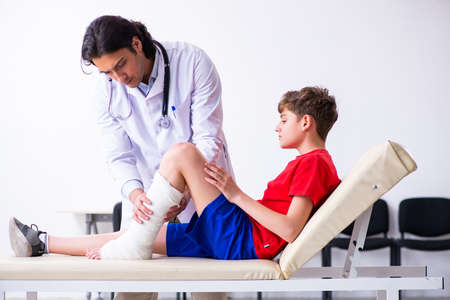
Tendon lengthening is one of the most common orthopedic surgeries for children with cerebral palsy in the United States. This procedure involves making small cuts in the tendons—often in the legs—to help reduce tightness and improve range of motion. The main goal is to make it easier for kids to walk, move, or use their arms. Recovery can involve wearing casts or braces and starting physical therapy soon after surgery to help regain strength and flexibility.
| Procedure | Main Purpose | Expected Outcomes |
|---|---|---|
| Tendon Lengthening | Reduce muscle tightness, improve joint movement | Easier walking, better mobility, less pain |
| Osteotomies | Correct bone alignment and shape | Improved posture, balance, and walking pattern |
| Selective Dorsal Rhizotomy (SDR) | Reduce spasticity by cutting specific nerve fibers | Less muscle stiffness, improved movement control |
Osteotomies
An osteotomy is a surgical procedure where a bone is cut and realigned to fix problems caused by abnormal muscle pull or bone growth. For kids with CP, this often means correcting hip dislocation or turning bones so that feet point forward instead of inward or outward. Osteotomies can help children sit, stand, and walk with more stability. These surgeries are usually followed by a period in a cast and then intensive rehabilitation.
Selective Dorsal Rhizotomy (SDR)
Selective dorsal rhizotomy is a neurosurgical procedure where some of the sensory nerve fibers that contribute to muscle stiffness are carefully cut. This surgery is typically offered to children who have significant spasticity (muscle stiffness) in their legs that makes walking difficult. SDR can lead to long-lasting reductions in spasticity and help children move more freely. After SDR, kids will need physical therapy to strengthen muscles and learn new ways to move.
Key Points for Families in the U.S.
- These surgeries are personalized based on each childs needs.
- A multidisciplinary team—including orthopedic surgeons, physical therapists, and occupational therapists—works together before and after surgery.
- The aim is always to improve a child’s independence and participation in daily life, whether at home, school, or during play.
- Recovery plans often include both inpatient and outpatient rehabilitation services commonly available across the United States.

3. Preoperative Assessment and Family Education
The Importance of a Multidisciplinary Evaluation
Before any surgical procedure for children with cerebral palsy, it’s essential to carry out a thorough evaluation involving different specialists. This team often includes orthopedic surgeons, physical therapists, occupational therapists, social workers, and sometimes psychologists. The purpose is to look at all aspects of the child’s health and daily life, making sure surgery is truly the best option.
Key Areas of Preoperative Assessment
| Area | What’s Evaluated | Who’s Involved |
|---|---|---|
| Physical Status | Muscle tone, range of motion, joint stability, strength, and motor control | Orthopedic Surgeon, Physical Therapist |
| Functional Abilities | Mobility (walking, standing), self-care skills (dressing, feeding) | Occupational Therapist, Physical Therapist |
| Medical History & Risks | Pain levels, previous surgeries, other medical conditions (like seizures or breathing problems) | Pediatrician, Surgeon |
| Psychosocial Factors | Emotional readiness for surgery and rehab; family support systems; coping strategies | Social Worker, Psychologist |
| Home Environment & Resources | Accessibility at home; availability of adaptive equipment; insurance coverage | Case Manager, Social Worker |
Family and Caregiver Involvement in Shared Decision-Making
In the United States, family-centered care is a core value. Parents and caregivers are not just spectators—they are active partners in the treatment process. It’s important for families to understand both the potential benefits and risks of surgery. Open discussions help everyone set realistic goals and expectations about recovery time, post-surgical rehabilitation needs, and possible outcomes.
How Families Can Be Engaged:
- Ask Questions: Don’t hesitate to ask about anything you don’t understand—no question is too small.
- Attend Pre-Surgery Meetings: These sessions allow families to meet the entire care team and discuss what to expect before, during, and after surgery.
- Create a Support Plan: Work together with the team to plan for post-op care at home, including transportation needs and necessary medical equipment.
- Participate in Goal-Setting: Share your child’s everyday challenges and hopes for improvement so that therapy goals match your family’s priorities.
Sample Questions for Families to Ask Before Surgery:
- What exactly will the surgery involve?
- What changes should we expect right after surgery?
- How long will rehabilitation take?
- What are possible complications or side effects?
- If our child has pain or trouble moving after surgery, who do we contact?
This collaborative approach ensures that every decision is made with the best interests of both the child and family in mind. By focusing on preparation and education before surgery, families feel more confident and empowered throughout the treatment journey.
4. Principles of Post-Operative Rehabilitation
Pain Management
After orthopedic surgery for children with cerebral palsy, pain control is a top priority. Good pain management helps children participate in therapy and recover faster. Doctors often use a mix of medications, such as acetaminophen, ibuprofen, or prescribed options. Ice packs and gentle positioning also help reduce discomfort.
Common Pain Management Strategies
| Method | Description |
|---|---|
| Medications | Pain relievers like Tylenol or Motrin, sometimes stronger medicine if needed |
| Ice Packs | Applied to the surgical area to reduce swelling and pain |
| Positioning | Cushions or pillows support comfort and healing posture |
| Distraction Techniques | Using music, toys, or games to take focus off pain, especially for younger kids |
Early Mobilization
Getting moving soon after surgery is important. Physical therapists work closely with families to help children start gentle movements that prevent stiffness and promote blood flow. This might include simple range-of-motion exercises and gradual weight-bearing activities as approved by the surgeon.
Tailored Physical and Occupational Therapy
No two children are alike, so rehabilitation plans are customized. Physical therapists (PTs) focus on building strength, balance, and coordination. Occupational therapists (OTs) help kids relearn daily skills, such as dressing or using adaptive equipment for eating and writing. Therapy goals are set based on each child’s unique needs and abilities.
Examples of Individualized Therapy Activities
| Therapist Type | Main Focus Areas | Sample Activities |
|---|---|---|
| Physical Therapist (PT) | Mobility, strength, flexibility, walking patterns (gait training) | Sit-to-stand practice, balance games, treadmill walking with support |
| Occupational Therapist (OT) | Daily living skills, fine motor coordination, adaptive tools training | Dressing practice with button hooks, feeding using special utensils, handwriting exercises |
Community-Based Services and School Integration
The rehab journey goes beyond the hospital. Community programs offer ongoing therapy close to home—local clinics, outpatient centers, or even home health services can support families. In the United States, schools play a vital role in helping students reintegrate after surgery. Therapists often coordinate with school staff to update Individualized Education Programs (IEPs), making sure accommodations and supports are ready when the child returns to class.
Ways Rehabilitation Supports Community and School Life
- School-based therapy: Continues PT/OT sessions during school hours as needed.
- Accessible transportation: Helps students get to school safely post-surgery.
- Peer education: Encourages classmates to understand mobility devices or temporary limitations.
- Family involvement: Parents join meetings with teachers and therapists to track progress and adjust supports.
- Local resources: Community centers may offer sports or recreation adapted for children recovering from surgery.
A team approach—including families, healthcare professionals, community providers, and educators—makes post-operative rehabilitation effective and meaningful for children with cerebral palsy.
5. Long-Term Outcomes and Ongoing Support
Expected Long-Term Results of Orthopedic Procedures in Cerebral Palsy
Orthopedic surgeries for children and adults with cerebral palsy (CP) aim to improve mobility, reduce pain, and enhance independence. The long-term outcomes of these procedures can vary depending on the individual’s age, type of CP, surgery performed, and access to rehabilitation services. Many people experience improved walking ability, better joint alignment, and increased participation in daily activities after surgery. However, ongoing physical therapy is usually needed to maintain these improvements and prevent complications such as muscle tightness or joint stiffness.
The Importance of Continued Follow-Up
After orthopedic surgery, regular follow-up appointments are essential. These visits allow doctors and therapists to monitor healing, assess progress, and make adjustments to treatment plans as needed. Ongoing follow-up helps identify issues early—such as hardware problems or changes in gait—and ensures that each person receives the support they need for long-term success.
Key Components of Ongoing Support
| Support Type | Description | American Resources |
|---|---|---|
| Physical Therapy | Continued exercises and stretching to maintain gains from surgery | Outpatient PT clinics, school-based therapy programs |
| Adaptive Equipment | Use of braces, walkers, wheelchairs, or orthotics as needed | Pediatric equipment providers, insurance coverage options |
| Educational Support | Assistance in schools for learning and mobility needs | IEP/504 plans, occupational therapy in schools |
| Community Resources | Access to local support groups and recreational programs | Easterseals, United Cerebral Palsy (UCP), YMCA adaptive sports |
| Medical Follow-Up | Regular check-ups with orthopedic surgeons and specialists | Pediatric hospitals, multidisciplinary clinics |
Navigating American Healthcare and Educational Settings
The American healthcare system offers various resources for children and adults with CP following orthopedic procedures. Insurance plans (including Medicaid and private insurance) often cover necessary therapies and adaptive devices. Schools are required by law to provide accommodations through Individualized Education Programs (IEPs) or 504 Plans. Many families also benefit from case managers or social workers who help coordinate care between hospitals, therapists, schools, and community agencies.
Tips for Ongoing Success After Surgery
- Stay connected with your medical team: Keep up with scheduled appointments and communicate any concerns right away.
- Take advantage of therapy services: Consistent physical and occupational therapy makes a big difference in maintaining progress.
- Explore adaptive equipment options: Ask about new technologies or devices that could make daily life easier.
- Get involved in local support networks: Meeting other families can provide emotional support and practical advice.
- Work closely with schools: Make sure teachers understand your child’s needs and the supports available to them.
Your Role in Long-Term Success
The journey after orthopedic surgery for cerebral palsy involves teamwork between families, healthcare professionals, schools, and community organizations. With ongoing support and careful follow-up, people with CP can achieve greater independence and quality of life across all stages of development.